Exactly how to Select the Right Senior Living Area for Your Needs
Business Name: BeeHive Homes of Lamesa TX
Address: 101 N 27th St, Lamesa, TX 79331
Phone: (806) 452-5883
BeeHive Homes of Lamesa
Beehive Homes of Lamesa TX assisted living care is ideal for those who value their independence but require help with some of the activities of daily living. Residents enjoy 24-hour support, private bedrooms with baths, medication monitoring, home-cooked meals, housekeeping and laundry services, social activities and outings, and daily physical and mental exercise opportunities. Beehive Homes memory care services accommodates the growing number of seniors affected by memory loss and dementia. Beehive Homes offers respite (short-term) care for your loved one should the need arise. Whether help is needed after a surgery or illness, for vacation coverage, or just a break from the routine, respite care provides you peace of mind for any length of stay.
101 N 27th St, Lamesa, TX 79331
Business Hours
Choosing a senior living area is seldom a straightforward property choice. It is a health and wellness choice, a way of living choice, and for several families, a timing choice made under pressure. The right place can preserve independence, reduce tension, and make day-to-day live easier in manner ins which are tough to value until you see them in practice. The wrong fit, even if it looks brightened on a pamphlet, can leave a resident isolated, annoyed, or even worse, at risk.
I have seen households begin with a slim search for "assisted living near me" and wind up finding that proximity matters less than the top quality of care, the staffing rhythm, and the ambience inside the structure. I have additionally seen the opposite, where someone chose an extremely rated senior living university an hour far from their familiar medical professional, church, and friends, then struggled to clear up in due to the fact that the step interrupted excessive at the same time. The best option generally originates from stabilizing practical needs with character, routines, and the degree of assistance someone might need six months from currently, not simply today.
Start with the individual, not the property
The biggest error family members make is purchasing senior living the method they would buy a home. Square video, design, and dining-room menus matter, yet they are not the starting factor. The beginning factor is the senior's daily reality.
A person who still takes pleasure in making morning meal, taking care of drugs with a little prompting, and socializing by themselves terms may prosper in a smaller assisted living community. A person with even more complicated wheelchair requirements, regular falls, or memory concerns might require a more structured setting. A retired teacher that loves quiet early mornings and privacy might despise a hectic university with constant activity. An additional resident might feel lonesome in a peaceful building if it does not provide enough social energy.
Before touring communities, map out the genuine assistance needs. Think about just how the person gets dressed, bathes, moves the home, keeps in mind drugs, prepares meals, and handles emergencies. If the current home has stairs, a slippery tub, or a long driveway, those details matter since they form daily safety. The right senior care setting must solve actual issues, not simply look attractive on the surface.
That is additionally the moment to be sincere about psychological requirements. Some people are resistant and adapt quickly. Others are deeply affixed to routines, pet dogs, hobbies, and familiar timetables. A move can feel like a relief or a loss depending upon the individual and the conditions. Excellent senior living communities comprehend that shift is not just logistical. It is personal.
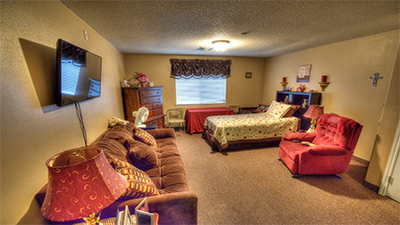
Match the level of care to current and likely future needs
Senior care is not one-size-fits-all. Neighborhoods frequently offer different levels of assistance, and the distinctions matter more than the marketing language recommends. Assisted living is typically developed for older adults that need assist with everyday activities such as bathing, clothing, drug reminders, or dish support, however that do not require intensive nursing care all day. That is very different from a competent nursing setting, and it is additionally various from independent living.
Many family members very first search for assisted living since that appears to fit the prompt requirement, but the better question is whether the area can adapt as needs alter. If a person is recovering from surgical procedure, requiring just temporary assistance may be enough. In that instance, respite care can be a wise bridge. It gives the individual a refuge to recover and offers caretakers time to remainder, travel, or handle work without feeling guilty. Respite care can additionally function as a dry run prior to a permanent move. A two-week stay typically discloses more about convenience, food, rest, and staffing than a shiny tour ever could.
If amnesia is part of the image, ask specifically exactly how the community handles cognitive decline. Some senior living neighborhoods supply a separate memory care program with even more organized routines, safe leaves, and team trained in dementia support. That setting can be the ideal solution when a person is wandering, repeating drugs, or ending up being dizzy in the house. The secret is not to think every assisted living area is outfitted for memory-related demands even if it approves older adults.
Future needs be worthy of focus too. A resident who is primarily independent now may require even more help after a loss, a hospitalization, or a diagnosis that transforms their movement. It is simpler to change within a community that currently supplies a continuum of care than to relocate two times in a year. That does not mean every person needs to instantly pick the largest school. It implies the decision needs to represent most likely change, not just current stability.
Notice what happens throughout the tour, not just what is said
Any community can look terrific during a set up visit. Fresh flowers, happy team, and a clean dining-room inform you something, however not whatever. The more useful clues are harder to stage.
Arrive a little early and enjoy the building prior to any individual anticipates you. Are residents resting alone in hallways, or are they engaged with each other? Does staff interaction feel unwinded and considerate, or hurried and transactional? Does the front desk respond promptly when a person needs assistance? Small points like that reveal culture.
If feasible, tour at more than one time of day. A late early morning visit may show a positive team activity, while an evening visit can disclose staffing patterns and exactly how homeowners are worked out before supper. Weekend break visits can likewise be revealing because some neighborhoods run differently when the regular weekday team is out website. An excellent senior living neighborhood need to really feel steady throughout shifts, not only when a tour is scheduled.
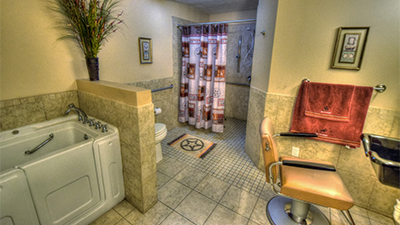

Pay focus to odors, noise, and temperature. These are not superficial issues. Solid odors can indicate cleaning or urinary incontinence problems. Extreme sound may indicate bad acoustics or a disorderly setting. A location that feels as well warm or too cold can promptly end up being awkward for older adults, especially those with circulation problems or medicines that impact temperature sensitivity.
Talk to homeowners if they seem open up to it. A straight concern like, "Do you feel comfortable here?" frequently obtains a much more straightforward answer than an official interview with personnel. Families occasionally find out the most from an offhand comment concerning dishes, activities, or how rapidly someone reacts when aid is needed.
Ask regarding staffing in simple language
Staffing is one of the clearest predictors of day-to-day experience, yet it is usually reviewed in unclear terms. Instead of asking whether the community has "terrific personnel," ask exactly how care is supplied and who is in charge of what. The amount of caregivers are arranged on each change? Just how are call lights or emergency demands dealt with? Is there a nurse on site, and if so, throughout which hours? How often are care strategies reviewed?
Those concerns matter since the top quality of senior care is often revealed in minutes, not goal declarations. A stunning dining-room does little bit good if a resident waits too long for help to the restroom. A friendly activity calendar does not matter if medication routines are irregular. Family members seeking senior care near me are typically trying to resolve an individual and sensible trouble, and staffing is where those functional details involve life.
Ask concerning turnover too. A neighborhood with high personnel turnover can still work, yet the resident experience may feel irregular. Acquainted faces matter, especially for individuals that fear, tough of hearing, or dealing with memory loss. A personnel who recognizes that Mr. Alvarez chooses tea with breakfast or that Ms. Jenkins comes to be confused after dinner is not just being kind, they are lowering friction in daily life.
It also aids to assisted living ask how the community trains brand-new employees. Training in transfers, drug assistance, dementia interaction, fall avoidance, and emergency reaction need to not be periodic or informal. Great neighborhoods can clarify their processes without getting on jargon. If solutions remain vague, that deserves noting.
Look carefully at daily life, not just services on paper
Many communities list the very same solutions, however the lived experience can vary considerably. Dishes may technically be included, yet the food can be boring or served too early for the resident's preferences. Activities may exist on a schedule, yet just a handful of homeowners sign up with since they do not feel invited or since the offerings are as well generic.
Ask what a regular day resembles. What time do homeowners wake, eat, and obtain assistance? Are activities varied enough for various characters? Some homeowners desire exercise courses and trips. Others want publications, music, gardening, or silent card video games. A great senior living neighborhood need to not require everybody right into the very same mold.
If the individual values self-reliance, ask how much control they retain. Can they choose when to get up and when to eat? Can they bring individual furnishings? Are pets allowed? Can family visit easily? The degree of autonomy can matter as much as the care package.
Watch for exactly how the staff speaks about resident preferences. A community that claims "we try to fit" may be extremely various from one that explains actual systems for honoring routines. That distinction tells you whether independence is an ideology or simply a slogan.
Think regarding location in functional, not sentimental, terms
Families commonly infatuate on the phrase "assisted living near me," and proximity can definitely matter. It is less complicated to visit frequently when the area is close to home, near to adult youngsters, or near a trusted doctor. Emergency situation trips are simpler. Acquainted food store, churches, and long time close friends continue to be accessible. For numerous homeowners, that continuity is mentally grounding.
Still, place should not bypass quality. A nearby area that is short-handed or improperly maintained is not a far better option even if it is convenient. In some cases the very best alternative is 20 minutes farther away if it indicates stronger care, better interaction, and a better environment.
Also take into consideration the area itself. Is it simple to access? Is auto parking practical for family visits? Exists area for short strolls, outdoor sitting, or risk-free pick-up and drop-off? Does the surrounding area really feel calm and inviting? These information influence both the resident and the people who will be checking out regularly.
For some families, a relocate to senior living ends up being an opportunity to revise the map of support. Rather than depending only on one worn down caregiver or a delicate home setup, the neighborhood becomes a reputable base. That is a purposeful trade-off, especially when relative live apart or work requiring schedules.
Use short stays and 2nd visits to lower guesswork
One of the most practical means to select well is to examine the environment prior to making an irreversible dedication. Respite care can be particularly helpful right here. A brief keep allows the resident to experience the personnel, food, resting setup, and daily rhythm without the stress of a full move. Family members usually find that the area they suched as on paper feels too silent, too active, too professional, or surprisingly warm once somebody actually stays there.
If a respite keep is not possible, set up a 2nd visit at a various time and ask for a much more candid discussion. The very first tour frequently highlights the highlights. The second must focus on real-life issues such as laundry, transport, emergency situation procedures, medication handling, checking out hours, and what occurs if the resident's problem changes.
This is likewise the time to inspect the fine print. What services set you back additional? What sets off a price boost? Exactly how does the community manage even more care requirements gradually? Surprises in invoicing can produce unneeded strain, particularly for households already making difficult psychological choices. Clear financial interaction is not a deluxe. It becomes part of top quality care.
A useful method to compare alternatives without obtaining overwhelmed
When families are comparing several neighborhoods, it helps to remain based in the very same standards instead of getting scooped by the prettiest lobby or one of the most polished sales presentation. Keep the contrast focused on what issues most:
- level of care that matches present needs
- staffing uniformity and responsiveness
- daily routine, personal privacy, and resident autonomy
- location and convenience of household visits
- transparency about expenses and future care changes
That short filter is frequently sufficient to remove locations that look good on the surface yet do not fit the individual's life. It also maintains the discussion focused when several relatives have various opinions.
Listen for the kind of self-confidence that originates from experience
The finest areas have a tendency to speak in specifics. They can describe how they help someone that is unsteady at night, what they do if a resident declines a meal, exactly how they sustain pairs with various care needs, or just how they reintroduce a resident after a hospital stay. They do not pretend every scenario is easy, and they do not guarantee excellence. They clarify just how they manage normal difficulties, which is where a lot of senior living actually happens.
That type of based self-confidence is worth more than a sales pitch. It informs you the area has actually experienced real-world concerns and developed practical routines. Family members commonly notice this swiftly, also if they can not call it. The pace of the tour really feels steadier. Staff response inquiries straight. Homeowners seem known, not managed.
There is additionally value in relying on the individual who will certainly live there. Also when relative are helping make the decision, the resident's comfort matters. If the area feels incorrect, if the eating routine really feels too rigid, if the ambience seems as well professional or too dynamic, that reaction must not be rejected. Great senior living appreciates preference since choice shapes high quality of life.
Choosing among assisted living neighborhoods, independent senior living alternatives, or specialized care setups is not almost resolving a trouble for this month. It is about developing a stable and gentle next chapter. The best fit supports self-respect, minimizes everyday rubbing, and gives member of the family space to take a breath. That result hardly ever comes from a showy tour alone. It comes from cautious observation, straightforward questions, and a clear sense of what life ought to seem like after the move.
BeeHive Homes of Lamesa TX provides assisted living care
BeeHive Homes of Lamesa TX provides memory care services
BeeHive Homes of Lamesa TX provides respite care services
BeeHive Homes of Lamesa TX supports assistance with bathing and grooming
BeeHive Homes of Lamesa TX offers private bedrooms with private bathrooms
BeeHive Homes of Lamesa TX provides medication monitoring and documentation
BeeHive Homes of Lamesa TX serves dietitian-approved meals
BeeHive Homes of Lamesa TX provides housekeeping services
BeeHive Homes of Lamesa TX provides laundry services
BeeHive Homes of Lamesa TX offers community dining and social engagement activities
BeeHive Homes of Lamesa TX features life enrichment activities
BeeHive Homes of Lamesa TX supports personal care assistance during meals and daily routines
BeeHive Homes of Lamesa TX promotes frequent physical and mental exercise opportunities
BeeHive Homes of Lamesa TX provides a home-like residential environment
BeeHive Homes of Lamesa TX creates customized care plans as residents’ needs change
BeeHive Homes of Lamesa TX assesses individual resident care needs
BeeHive Homes of Lamesa TX accepts private pay and long-term care insurance
BeeHive Homes of Lamesa TX assists qualified veterans with Aid and Attendance benefits
BeeHive Homes of Lamesa TX encourages meaningful resident-to-staff relationships
BeeHive Homes of Lamesa TX delivers compassionate, attentive senior care focused on dignity and comfort
BeeHive Homes of Lamesa TX has a phone number of (806) 452-5883
BeeHive Homes of Lamesa TX has an address of 101 N 27th St, Lamesa, TX 79331
BeeHive Homes of Lamesa TX has a website https://beehivehomes.com/locations/lamesa/
BeeHive Homes of Lamesa TX has Google Maps listing https://maps.app.goo.gl/ta6AThYBMuuujtqr7
BeeHive Homes of Lamesa TX has Facebook page https://www.facebook.com/BeeHiveHomesLamesa
BeeHive Homes of Lamesa has an YouTube page https://www.youtube.com/@WelcomeHomeBeeHiveHomes
BeeHive Homes of Lamesa TX won Top Assisted Living Homes 2025
BeeHive Homes of Lamesa TX earned Best Customer Service Award 2024
BeeHive Homes of Lamesa TX placed 1st for Senior Living Communities 2025
People Also Ask about BeeHive Homes of Lamesa TX
What is BeeHive Homes of Lamesa Living monthly room rate?
The rate depends on the level of care that is needed. We do an initial evaluation for each potential resident to determine the level of care needed. The monthly rate is based on this evaluation. There are no hidden costs or fees
Can residents stay in BeeHive Homes until the end of their life?
Usually yes. There are exceptions, such as when there are safety issues with the resident, or they need 24 hour skilled nursing services
Do we have a nurse on staff?
No, but each BeeHive Home has a consulting Nurse available 24 – 7. if nursing services are needed, a doctor can order home health to come into the home
What are BeeHive Homes’ visiting hours?
Visiting hours are adjusted to accommodate the families and the resident’s needs… just not too early or too late
Do we have couple’s rooms available?
Yes, each home has rooms designed to accommodate couples. Please ask about the availability of these rooms
Where is BeeHive Homes of Lamesa TX located?
BeeHive Homes of Lamesa is conveniently located at 101 N 27th St, Lamesa, TX 79331. You can easily find directions on Google Maps or call at (806) 452-5883 Monday through Sunday 9:00am to 5:00pm
How can I contact BeeHive Homes of Lamesa TX?
You can contact BeeHive Homes of Lamesa by phone at: (806) 452-5883, visit their website at https://beehivehomes.com/locations/lamesa/, or connect on social media via Facebook or YouTube
Visiting the Ninth Street Park provides open space and nearby seating where residents in assisted living, memory care, senior care, elderly care, and respite care can enjoy calm outdoor time.